
No. 148Folk & Fairy
Kitsune
狐(きつね)
The wise, shape-shifting fox of Japanese folklore and messenger of Inari
Kitsune is the ordinary Japanese word for "fox," and in folklore it names a fox grown wise with age. Storytellers say it can take human shape, kindle foxfire in the dark, and grow more powerful as the years pass. Some kitsune are tricksters. Others, the zenko or "good foxes," serve Inari, the kami of rice and prosperity, as holy messengers.
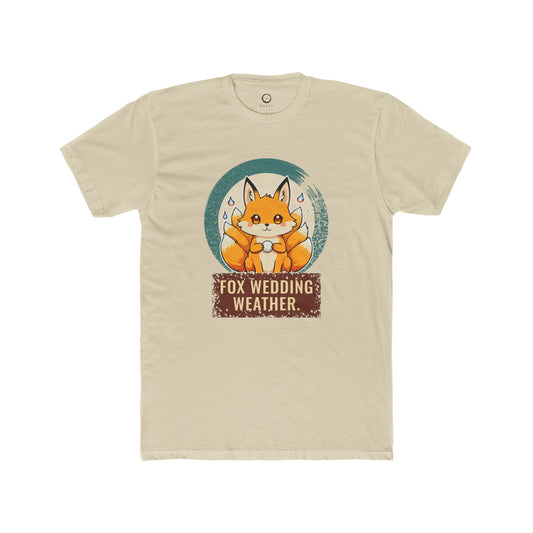
Farming communities read foxes as omens: foxfires were counted to forecast the rice harvest, and a sunshower is called "the fox's wedding." Inari shrines, estimated at 30,000 or more, keep paired fox statues at their entrances. Worshippers offer rice, sake and fried tofu, and often tie a red bib on the statues out of respect. At Oji in Tokyo, people in fox masks carry lanterns on New Year's Eve.

How to recognise Kitsune
- Fox formLook for a four-legged fox with pointed ears, a narrow muzzle, a slim body and bushy tails; in tales the same being may pass as a person, but a tail tip or a fox-shaped shadow gives it away.
- TailsThe number of tails shows age and power, from one for a young fox to nine (kyūbi no kitsune) for the greatest, and old tales most often mention one, five, seven or nine.
- CoatFur is golden-russet, or pure white for the byakko ("white fox"), the white messenger foxes of Inari, said to be white because they are close to the gods and invisible.
- Star ballThe hoshi no tama is a small round white jewel or pearl, carried in the mouth or on the tail, and variously said to hold the fox's power or soul.
- FoxfireKitsunebi are small pale flames around the mouth or tail tips, appearing on dark nights in tales and drawn as a line of small flames in Hiroshige's 1857 print of foxes gathering near Oji.
- Shrine pairAt Inari shrines the foxes stand as a stone pair, usually one male and one female, often wearing a red bib (yodarekake) as a sign of respect.
- Held objectsShrine foxes commonly hold a sacred jewel, a key, a scroll or a rice sheaf in the mouth; at Fushimi Inari the left fox holds a key and the right a jewel.
Names and titles
- Messenger of InariZenko, the good foxes, are seen as holy messengers of the rice kami Inari
- The Nine-Tailed FoxKyūbi no kitsune: a fox with nine tails marks the greatest age and power
- Keeper of the Star BallThe hoshi no tama, the white jewel the fox carries and keeps
- Fox Wedding in the SunshowerSun and rain together are called kitsune no yomeiri, the fox's wedding
- Foxfires at the Changing TreeThe Oji legend: foxes gather on New Year's Eve with foxfires, as in Hiroshige's print
Feast days
- Hatsuuma8 February 2027
- Inari Festival (Shinkōsai)18 April 2027 (date to be confirmed)
- Oji Fox Parade (Kitsune no Gyōretsu)31 December, every year
In art and place public-domain and openly licensed images


_shrine_2.jpg)

Kitsune in the shop
-
Kitsune: Keeper of the Star Ball — Women's Crop Tee
Regular price From $34.00 USDRegular price -
Kitsune: Keeper of the Star Ball — Women's Racerback Tank
Regular price From $32.00 USDRegular price -
Kitsune: Messenger of Inari — Sticker
Regular price From $4.50 USDRegular price -
Kitsune: Messenger of Inari — Sticker
Regular price From $4.50 USDRegular price -
Kitsune: Messenger of Inari — Garment-Dyed Sweatshirt
Regular price From $52.00 USDRegular price -
Kitsune: Messenger of Inari — Garment-Dyed T-Shirt
Regular price From $36.00 USDRegular price -
Kitsune: Messenger of Inari — Unisex T-Shirt
Regular price From $29.00 USDRegular price -
Kitsune: Keeper of the Star Ball — Garment-Dyed Sweatshirt
Regular price From $52.00 USDRegular price




Sources
- Britannica: Kitsune
- Wikipedia: Kitsune
- Yokai.jp: Inari
- Wikipedia: Inari shrine
- Wikipedia: Myōbu
- Gekkeikan: Fushimi Inari
- Buffalo Architecture and History: Fushimi Inari, Kyoto
- Metropolitan Museum of Art: collection object 55553
- Allen Memorial Art Museum, Oberlin: object 14034
- Brooklyn Museum: collection object 121730
- Wikipedia: Kitsune no yomeiri
- Wikipedia: Kuzunoha
- Wikipedia: Kitsunetsuki
- J-STAGE: journal article (1960)
- Visiting Japan: Oji Inari Kitsune Parade
- Japanistry: Oji Fox Parade
- Voyapon: Oji Kitsune New Year, Tokyo
- Shinto Inari: What is Hatsuuma
- Ichiban Japan: Hatsuuma
- Iwafu: event listing 1056401
- Japanese Rituals: Kitsune
- SymbolSage: Kitsune, Fox of Japanese Mythology
- Biker Ring Shop: Nine-Tails Kitsune Symbolism
- Tsunagu Japan: Inari Fox
- Wikipedia: Inari Ōkami
- Bokksu: Japan's Most Stunning Inari Shrines
- Stories Preschool: Kitsune
- JREF: Sunshowers, Spirits and Foxfire, Japan's Kitsune Weddings
- Mai-ko: Fushimi Inari Shrine and its 10,000 Gates
Also in Folk & Fairy


← The Encyclopedia Spotted something to correct? Suggest a correction